


How Binge-Watching Can Actually Improve Your Mental Health
Binge-watching, the practice of consuming multiple episodes of a television program in rapid succession, is often portrayed as a detrimental habit, leading to social isolation, sleep deprivation, and overall poor mental well-being. However, beneath this pervasive narrative lies a more nuanced reality. This article delves into the surprising ways in which focused, intentional binge-watching can serve as a beneficial coping mechanism, offering avenues for emotional regulation, stress reduction, and even fostering social connections, thus challenging its conventional negative connotations.
The rise of streaming platforms has normalized extensive media consumption, making binge-watching a ubiquitous modern pastime. While critics frequently highlight the potential for addiction or neglect of real-world responsibilities, a growing body of research and anecdotal evidence suggests that, when approached mindfully, this activity can yield genuine psychological advantages. It offers a unique form of escapism, a structured way to process complex emotions, and even a platform for shared experiences among communities. Understanding these multifaceted impacts is crucial for individuals navigating digital entertainment and for mental health professionals advising on healthy media habits. What impact would it have on our understanding or practice of mental well-being if we failed to fully comprehend the positive therapeutic potential of engaged serial viewing?
Escapism and Emotional Regulation

Finding Solace in Fictional Worlds
At its core, binge-watching offers a powerful mechanism for escapism, providing a temporary yet effective reprieve from daily stressors and anxieties. By immersing oneself deeply in a narrative, individuals can shift their focus away from real-world problems, allowing the mind to relax and reset. This process isn't merely avoidance; it can be an active form of mental disengagement that reduces physiological stress responses, akin to meditation for some. Research on parasocial relationships—the one-sided bonds formed with media characters—suggests that viewers can experience genuine emotional connection and even find comfort in these fictional interactions. Identifying with characters navigating challenges can provide a safe space for processing personal emotions, offering catharsis as they witness resolution or growth within the story. For example, watching a character overcome adversity can inspire resilience in a viewer, or witnessing fictional grief can normalize and help process one's own sorrow in a controlled environment. The predictability and structured nature of a well-told story can also provide a sense of control that is often lacking in real life, acting as a psychological anchor during turbulent times.
Building Bonds and Boosting Brainpower
Shared Experiences and Cognitive Engagement
Beyond individual emotional benefits, binge-watching can significantly contribute to social connection and cognitive enhancement. In an increasingly fragmented world, sharing a popular series creates common ground, fostering discussions and strengthening bonds with friends, family, or online communities. Fan theories, shared memes, and recaps become a new form of social currency, combating feelings of loneliness and isolation by linking individuals through a collective experience. This shared cultural touchstone can facilitate deeper conversations and foster a sense of belonging. Cognitively, engaging with complex narratives over multiple episodes can act as a mental workout. Viewers must track intricate plotlines, remember character arcs, predict outcomes, and understand diverse perspectives, all of which can sharpen memory, critical thinking skills, and even improve empathy by exposing them to varied human experiences and ethical dilemmas.
Consider how different content genres might offer distinct mental health benefits:
| Genre | Primary Mental Health Benefit | Example Series |
|---|---|---|
| Comedy | Stress Reduction, Mood Boost | The Office |
| Drama | Empathy, Emotional Processing | This Is Us |
| Sci-Fi/Fantasy | Escapism, Cognitive Engagement | Game of Thrones |
| Documentary | Learning, Perspective Broadening | Our Planet |
As shown, comedies excel at providing immediate mood elevation and tension release through laughter. Dramas, conversely, often prompt deeper emotional processing and empathy development by exploring complex human relationships. Sci-Fi and Fantasy series frequently offer profound escapism while challenging cognitive abilities with intricate world-building and narrative structures. Even documentaries, while informative, can broaden perspectives and foster a sense of global connection, reinforcing the idea that viewing choices can be strategically made for specific mental benefits.
Structured Relaxation and Mindful Engagement

A Controlled Retreat for the Mind
For many, binge-watching offers a unique form of structured relaxation that can be surprisingly mindful. Unlike endless scrolling through social media or passive channel surfing, engaging with a narrative series demands focused attention and provides a clear beginning and end for each episode. This structured engagement can redirect the mind from intrusive thoughts and anxieties, acting as a controlled mental retreat. The predictable rhythm of a show, the familiar characters, and the unfolding plot create a comforting routine, offering a sense of stability and predictability in an unpredictable world. When approached with intention, choosing a series that genuinely resonates and allows for a period of unwinding, it becomes a conscious act of self-care. This isn't about mindless consumption but about actively choosing a form of entertainment that provides a sense of calm and enjoyment, serving as a dedicated time-out for mental restoration. The ability to pause, reflect, and then re-enter the story provides a gentle, self-paced approach to de-stressing, contrasting sharply with the often chaotic demands of daily life.
Conclusion
This exploration into the dynamics of binge-watching reveals a narrative far more intricate than commonly perceived. We have traversed how this popular pastime, often maligned, can adeptly serve as a powerful tool for emotional regulation, offering essential escapism and a safe conduit for processing complex feelings through parasocial engagement. Furthermore, we've highlighted its capacity to forge vital social connections, fostering shared experiences and combating loneliness in an increasingly digital landscape. Cognitively, the act of following intricate storylines can sharpen memory, critical thinking, and empathy, challenging the mind in beneficial ways. Finally, when approached mindfully, binge-watching provides a structured form of relaxation, offering a predictable and comforting retreat from daily stressors. It is clear that, beyond mere entertainment, engaged serial viewing holds significant, often underestimated, value in promoting mental well-being when integrated thoughtfully into one's life.
Looking forward, the evolving landscape of digital media promises even more nuanced interactions with binge-watching. Future research may delve into personalized content recommendations tailored not just for entertainment, but for specific mental health outcomes, potentially integrating therapeutic principles into platform algorithms. The interdisciplinary field of media psychology will continue to examine optimal consumption patterns, identifying thresholds where benefits transition to detriments, and exploring how different genres impact diverse psychological needs. We may also see media consumption integrated more formally into stress management and therapeutic practices, recognizing its potential as a self-soothing or social engagement mechanism. As technology advances and content becomes even more immersive, understanding the psychological underpinnings of our media habits will be paramount. Continuous research, thoughtful consumption, and public education are crucial to harnessing the positive potential of binge-watching while mitigating its risks, fostering a balanced approach to digital well-being.
Frequently Asked Questions (FAQ)
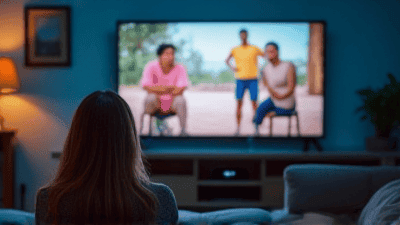
Q: How can I ensure my binge-watching habit remains healthy and beneficial, avoiding negative impacts? A: Maintaining a healthy binge-watching habit revolves around conscious choices and self-awareness, rather than outright avoidance. Firstly, set clear boundaries. Decide beforehand how many episodes you'll watch or how much time you'll allocate, and stick to it. Using a timer or stopping after a natural break point (like a cliffhanger between arcs) can be helpful. Secondly, prioritize your content. Choose shows that genuinely uplift you, offer mental stimulation, or provide the specific emotional release you need, rather than mindlessly consuming whatever is next in the autoplay queue. Consider lighter, more positive content if you're feeling down, or thought-provoking narratives if you seek cognitive engagement. Thirdly, integrate binge-watching with other activities. Don't let it replace essential parts of your routine like exercise, social interactions, sleep, or creative pursuits. Combine your viewing with a healthy meal, stretch during breaks, or discuss episodes with friends to maintain balance. Lastly, practice self-monitoring. Pay attention to how you feel before, during, and after a session. If you start feeling fatigued, isolated, or guilty, it might be a sign to take a break or re-evaluate your viewing habits. The goal is intentional engagement for positive outcomes, not escape from life's responsibilities.
Q: Isn't excessive screen time always bad for mental health? What's the distinction? A: The blanket statement that "excessive screen time is always bad" oversimplifies a complex relationship between digital media and mental health. The crucial distinction lies in the quality, context, and intention of the screen time, not just the quantity. Passive, mindless scrolling through social media, for instance, often involves comparing oneself to others, encountering negative news, or engaging in endless, unfulfilling content consumption, which can indeed be detrimental. This type of screen time can lead to feelings of inadequacy, anxiety, and a diminished sense of self-worth because it often lacks intrinsic purpose or connection. In contrast, active, engaged binge-watching, as discussed, involves deep immersion in a narrative, which can facilitate emotional processing, cognitive stimulation, and even foster social bonds through shared viewing experiences. The key is engagement—are you passively receiving information, or are you actively processing, learning, connecting, or relaxing in a structured way? The content itself also matters; watching a compelling documentary that expands your knowledge is different from mindlessly watching hours of reality TV that offers little intellectual or emotional nourishment. Furthermore, individual susceptibility plays a role; what might be "excessive" for one person might be a healthy coping mechanism for another, depending on their personality, life circumstances, and overall mental resilience. It's about how the screen time serves your well-being, rather than simply counting hours.